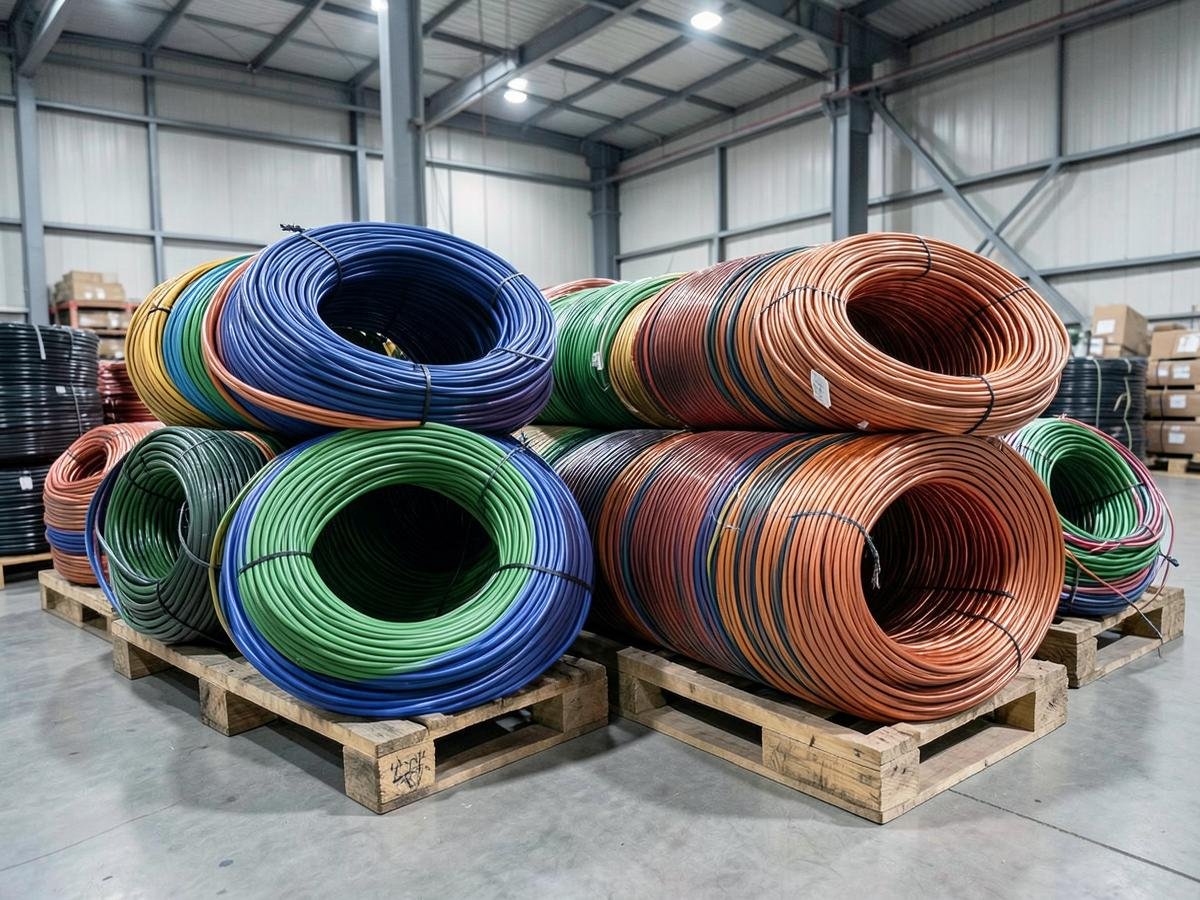
Cables & Wires
Electrical Cables vs Wires: Understanding the Difference and Choosing the Right Option

On site, people often say 'wire' and 'cable' as if they mean the same thing. In practice they describe different products, and ordering the wrong one can delay an installation. Here is a simple explanation.
What is a wire?
A wire is usually a single conductor, solid or stranded, with or without its own insulation. Single-core building wires are commonly pulled through conduit for lighting and power circuits inside buildings.
What is a cable?
A cable is two or more insulated conductors grouped together inside an outer sheath. Depending on the type, it may also include an earth conductor, armouring or screening. Cables are used where extra mechanical protection or a combined assembly is needed.
- Multi-core power cables for distribution
- Armoured cables for underground or exposed routes
- Control and instrumentation cables
- Flexible cords for equipment connections
Which one should you use?
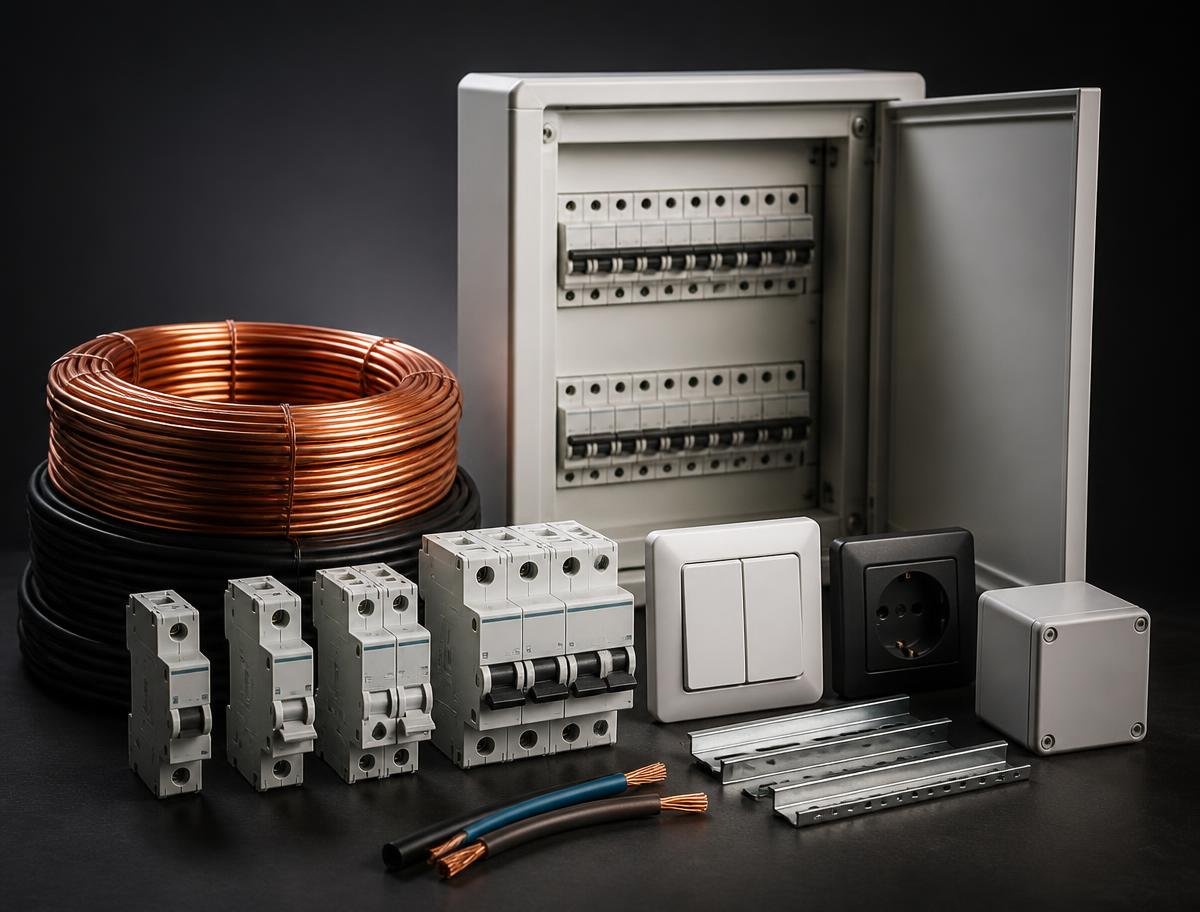
Wires are typically used where they will be protected by conduit or trunking. Cables are used where the conductors need their own sheath for protection, for example when clipped directly to surfaces, laid in trays or buried.
The final choice should follow your electrical drawings and specification, which define conductor size, type and installation method.
Conclusion
Understanding the difference makes it easier to read a BOQ and place the right order. Skyline supplies both building wires and a range of cables — send us your list and we will help you match the requirements.
Need electrical or building materials for your project?
Send us your requirements and our team will prepare a quotation.